 Estrela Hub
In the early 1990s, Estrela da Amadora found itself at a crossroads, facing challenges that threatened its very existence. However, a series of strategic decisions and a renewed focus on youth development helped the club emerge from the shadows, leading to a period of revitalization that would define its history.
After narrowly avoiding relegation in the late 1980s, the club's management made a decisive move to invest in its youth academy. This initiative was spearheaded by then-president José Gomes, who recognized the potential of homegrown talent and the need for a stronger connection between the club and its community. The emphasis on youth not only aimed to build a competitive squad but also sought to foster local pride among the supporters, ensuring that future generations would have a stake in the club's success.
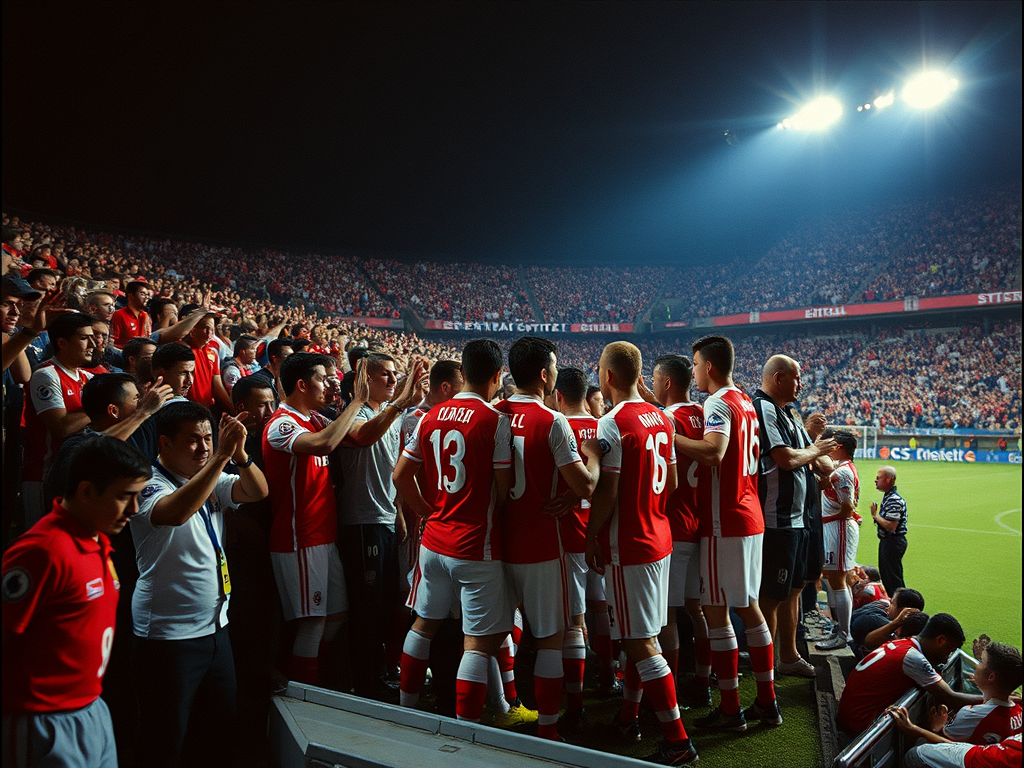
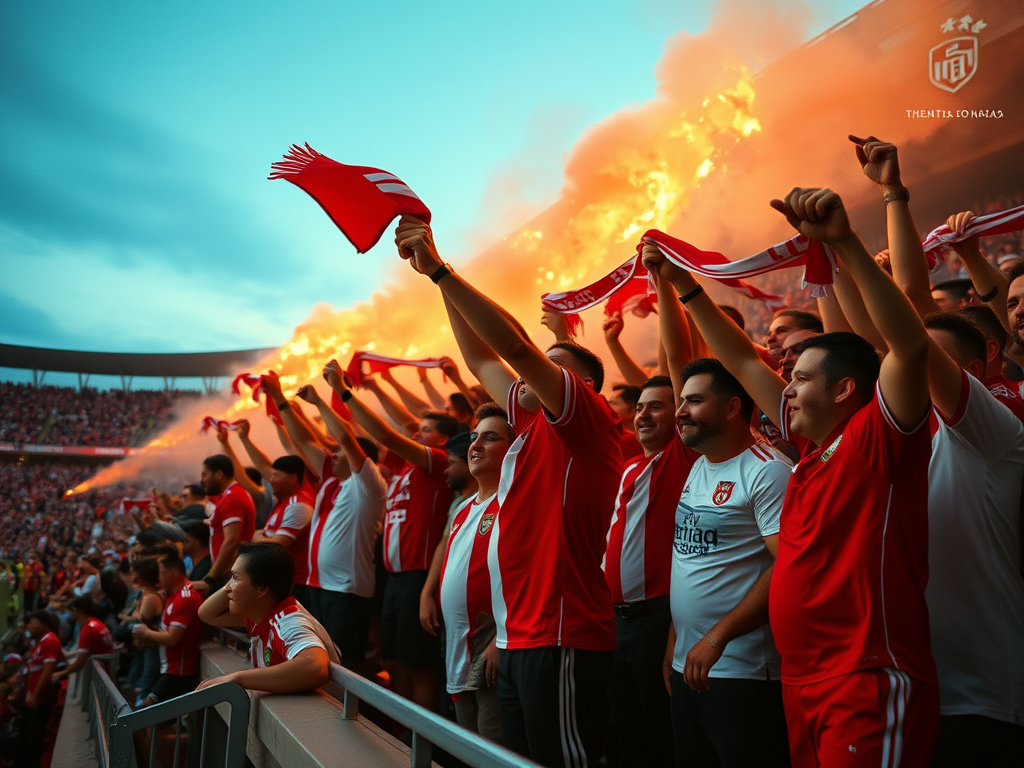
One of the standout stories from this era was the emergence of players like Nuno Gomes and Deco, who would go on to have illustrious careers in Portugal and beyond. Their journeys began with Estrela da Amadora, and they were instrumental in not just lifting the team's profile but also in igniting hope among the fanbase. Matches during this time were infused with a sense of optimism, as the supporters rallied behind their young stars, creating an electric atmosphere at the Stadium.
The crowning achievement of this revival came in the 1994-95 season when Estrela secured promotion to the Primeira Liga. The team, characterized by its attacking flair and tactical acumen, captured the imaginations of fans and critics alike. The club's return to the top flight was not merely a sporting success; it was a testament to the hard work and dedication of everyone involved, from the players to the coaching staff and the ever-loyal supporters.
This newfound status in the Primeira Liga brought with it a fierce rivalry with Sport Lisboa e Benfica, which became one of the defining features of Estrela's identity. Matches against their rivals were not just about points; they represented a clash of cultures and communities, with passionate displays from both sets of fans. The intensity of these encounters further solidified Estrela da Amadora's place in the hearts of its supporters and injected life into the club's narrative.
As the 1990s progressed, Estrela da Amadora became a team that not only competed but thrived, establishing itself as a formidable opponent in the Primeira Liga. While the club faced ups and downs throughout the decade, the groundwork laid during this period ensured that Estrela would remain a significant player in Portuguese football.
Reflecting on this pivotal decade, it is clear that Estrela da Amadora's commitment to development, community, and rivalry helped shape its identity. The lessons learned and the successes achieved during the 1990s serve as a reminder of the club's resilience and the enduring power of football to unite and inspire. Today, as Os Tricolores continue to fight for their place in the league, the spirit of that transformative era lives on, echoing in the chants of the fans who remember the glory days and look forward to future triumphs.